Those who pay for it
APCE, Deloitte and Asefa.
Conference · 3 November 2026 · La Salle Campus Barcelona
The ungoverned space between Project Management and BIM Management. An afternoon to name the information conflicts that, once they reach the site, are paid for in budget and schedule, and to agree where to start solving them.
Speakers
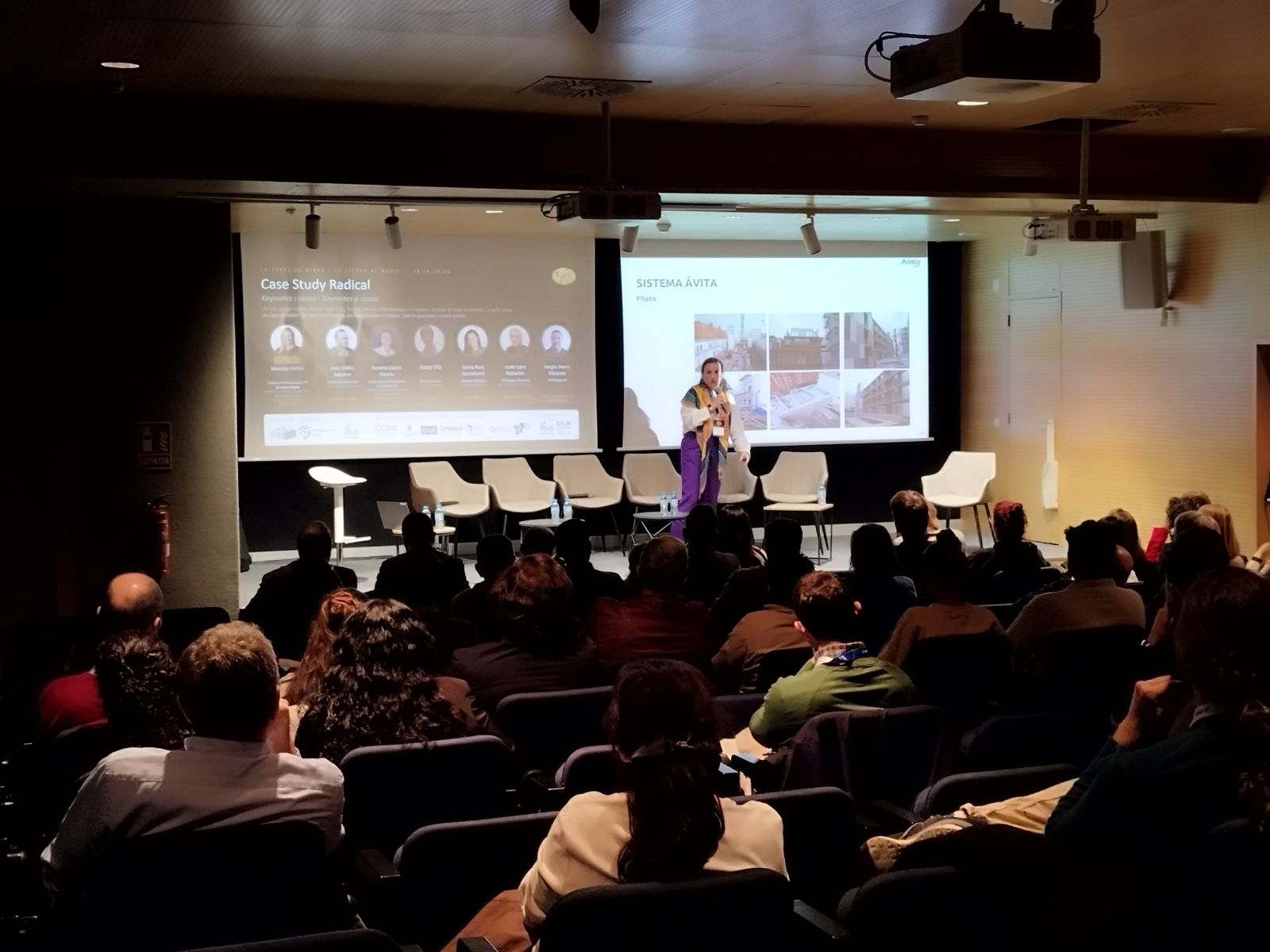
Two keynotes and four Radical Case Studies: real cases, told as they happened and at what cost.
Why this conference
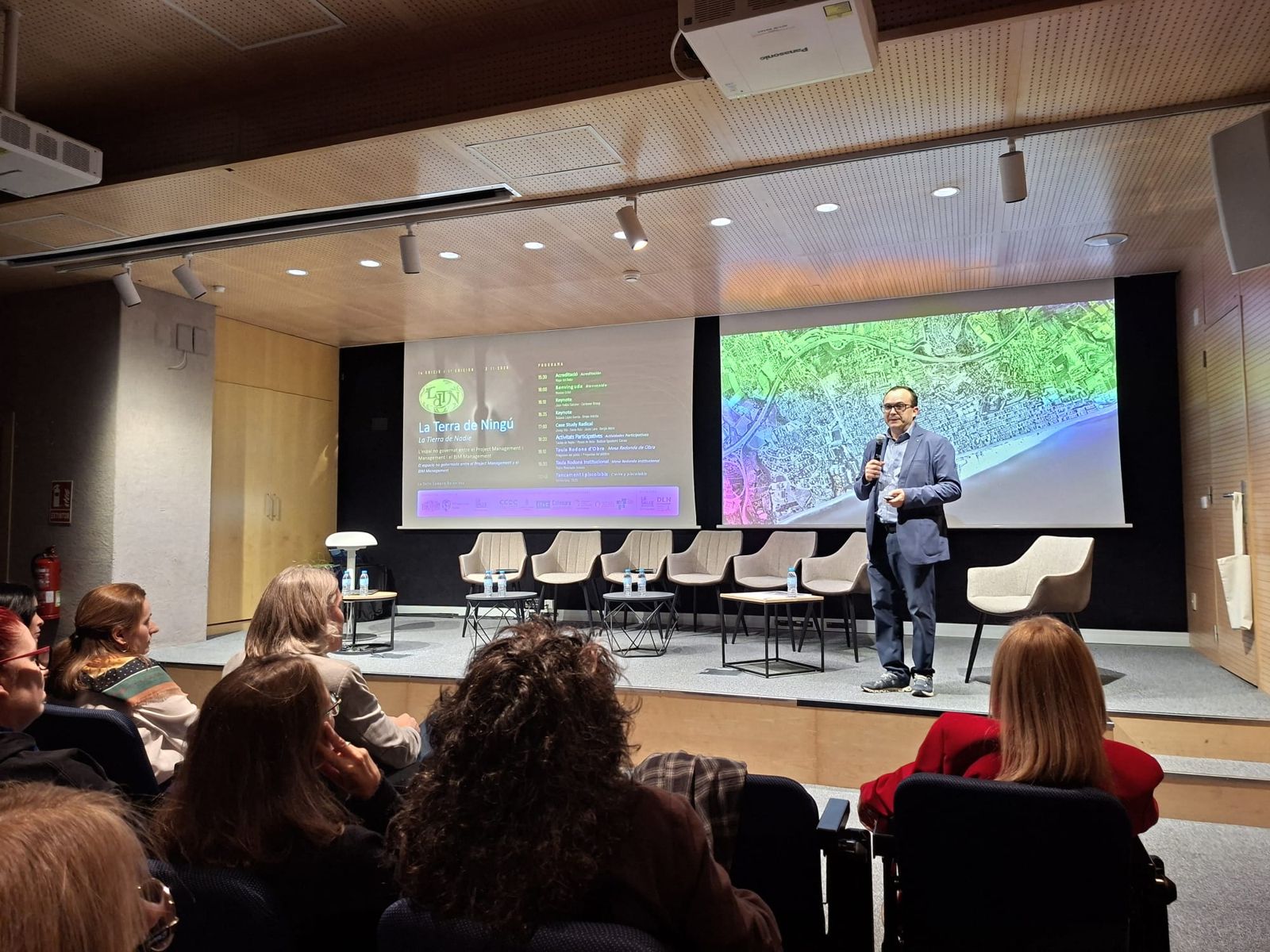
Project management and BIM management work on the same information, but each governs it in its own way. Between them lies a space that belongs to no one, and it is during construction that this mismatch blows up.
GUBIMCat, PMI Construcción España and La Salle's Master of Science in Project Management had each reached the same conclusion independently: project information is ungoverned. The conference was the place to share this with those who pay for, produce and structure that information.
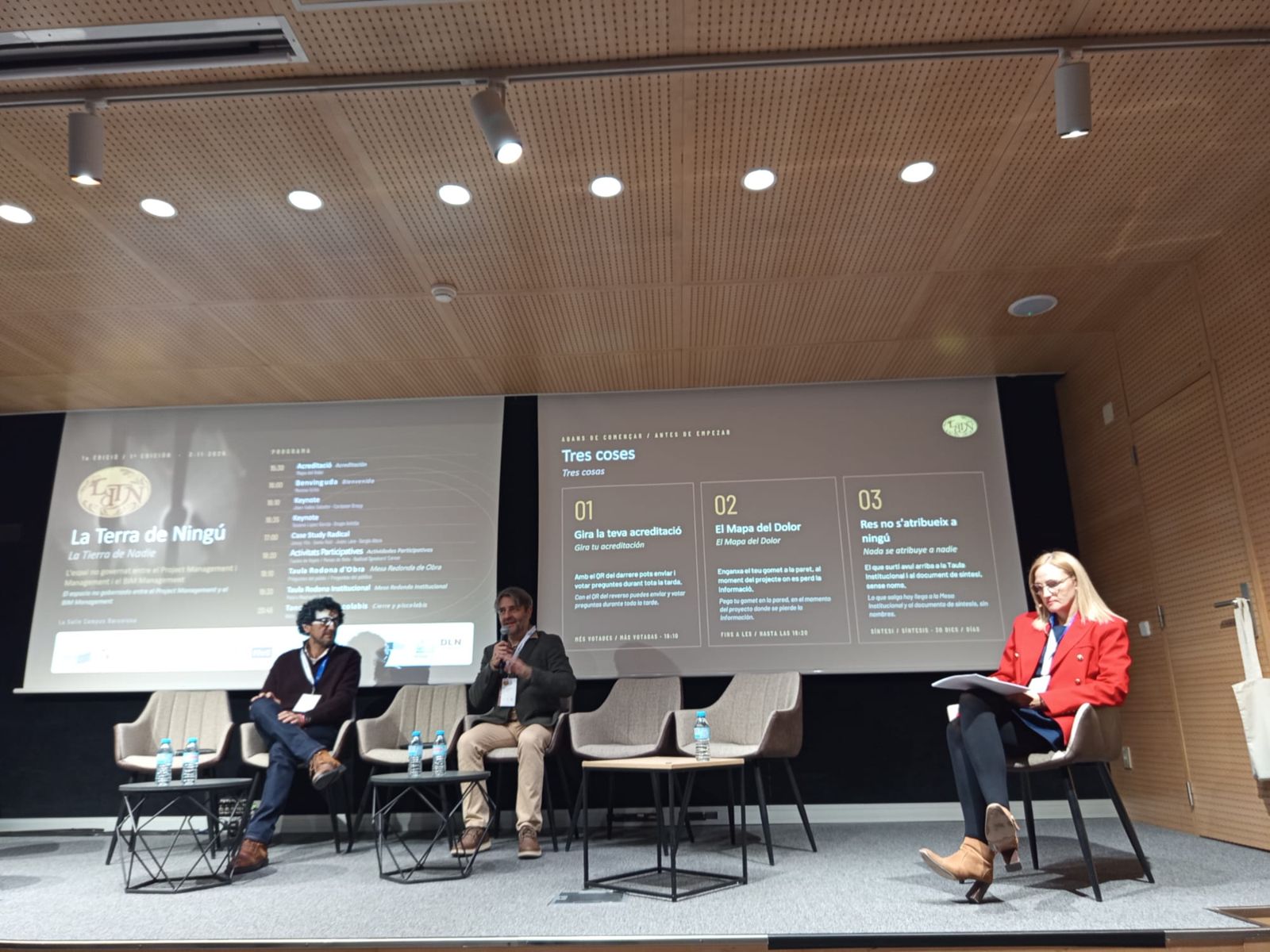
Programme
15:30
Registration. The Pain Map opens: the first participatory activity.
16:00
Welcome, with Montse Griñó (moderator), and Antonio Castro (La Salle and PMI Construcción España) and Roger Beaumont (GUBIMCat) from the organising team.
16:10
Keynote: Joan Vallès Sabater, Head of Contracting at Cardoner Group.
16:35
Keynote: Susana López García, Deputy Director of Planning and Management Control at Grupo Avintia.
17:00
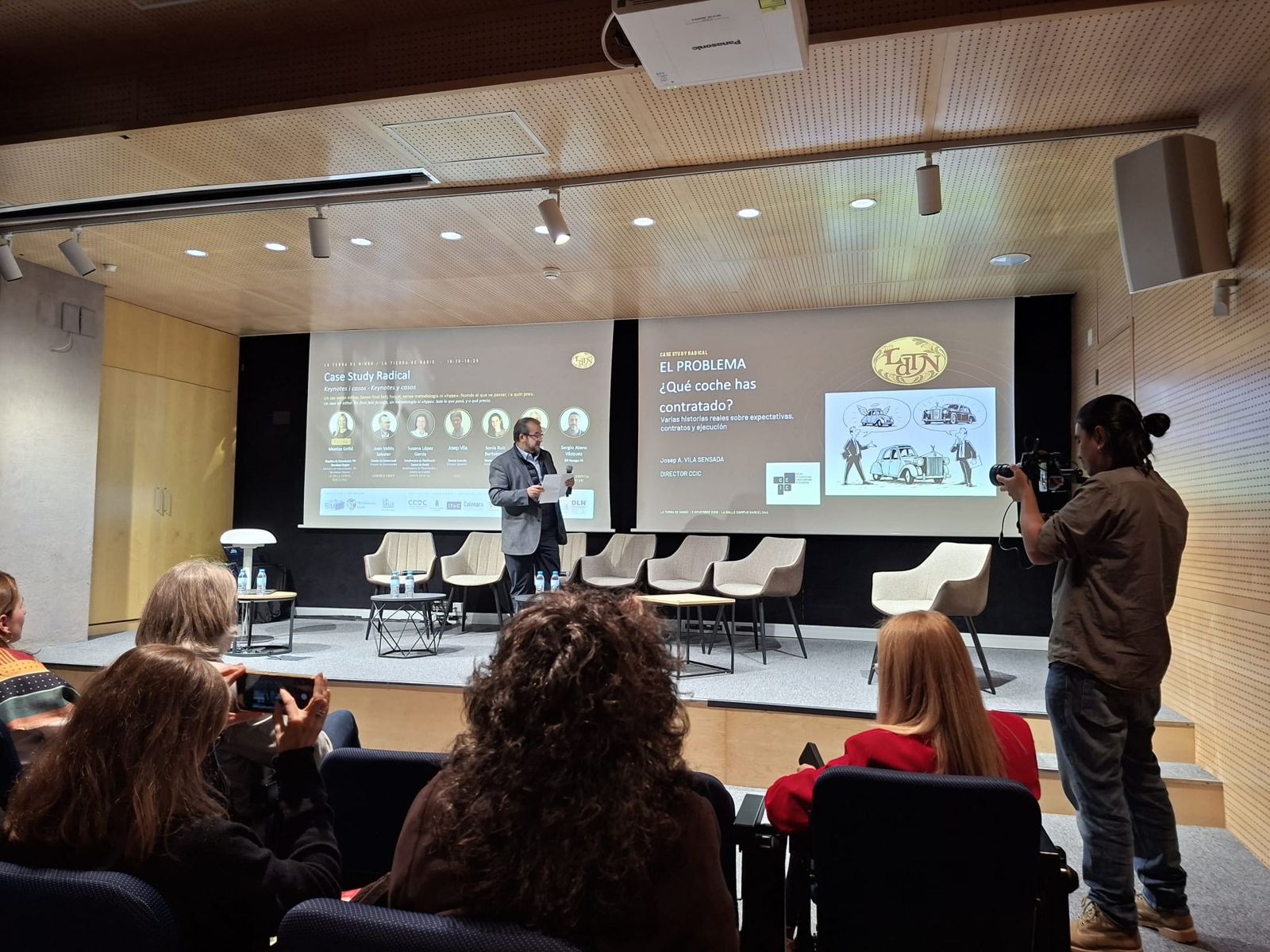
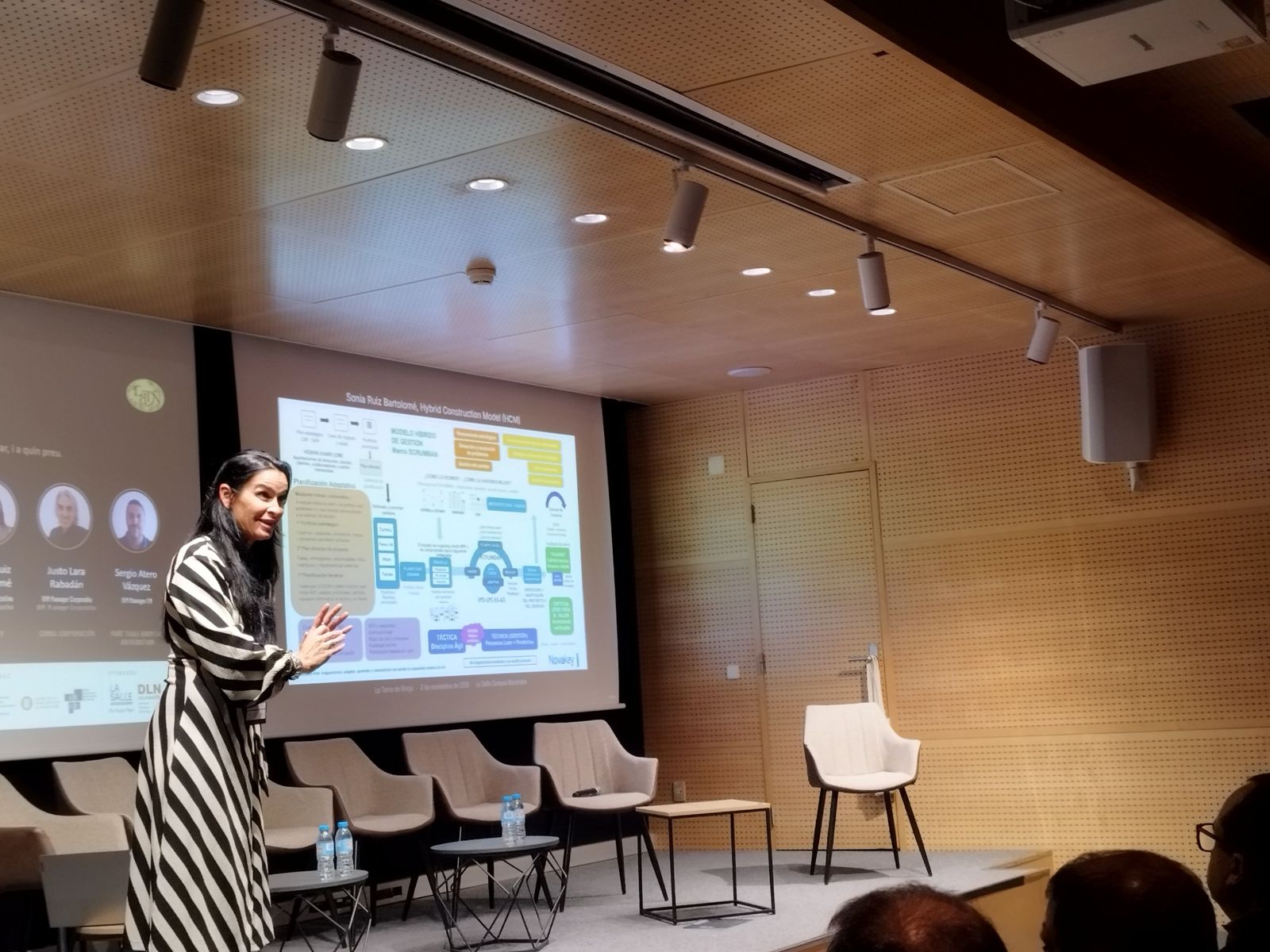
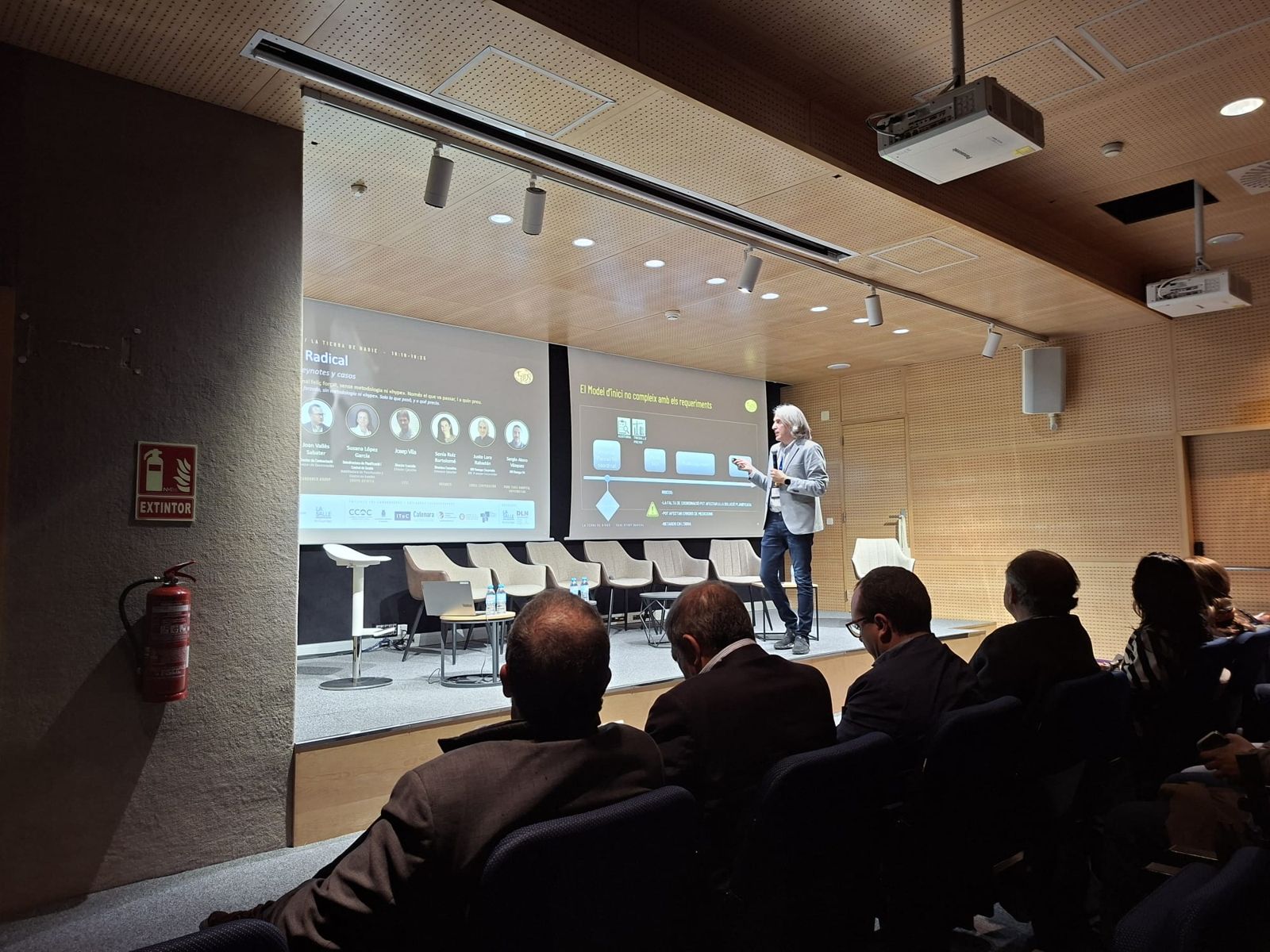
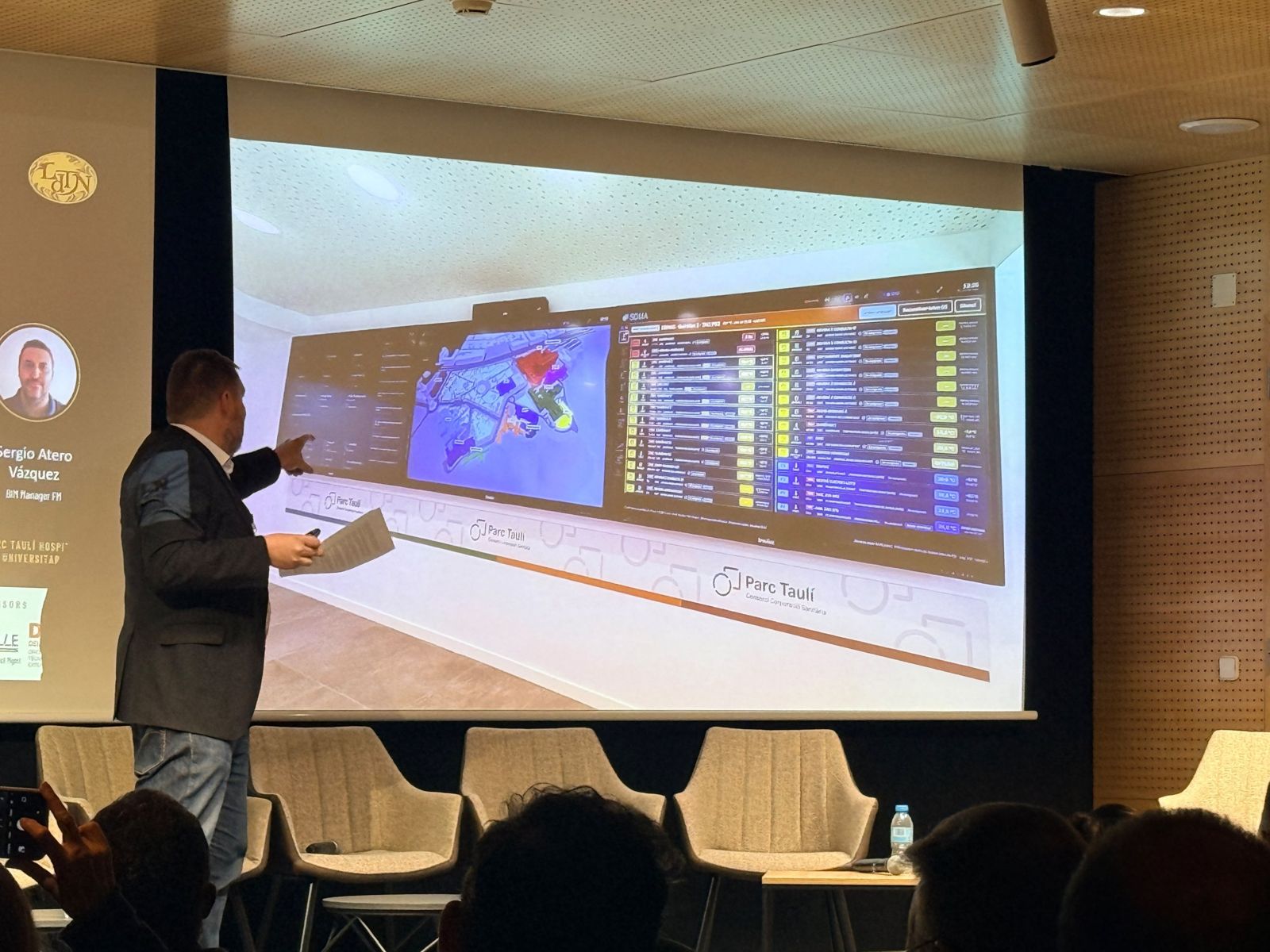
Radical Case Study: four real cases, from Josep Vila (CCIC), Sonia Ruiz Bartolomé (NOVAKEY), Justo Lara Rabadán (COMSA Corporación) and Sergio Atero Vázquez (Parc Taulí Hospital Universitari).
18:20
Challenge Tables, a participatory group activity.
19:10
Construction round table: questions from the audience to the speakers.
19:30
Institutional round table, chaired by Pedro Miserachs Aranda (CCC and Gremi de Constructors de Barcelona).
20:45
Closing and networking.
Participatory activities
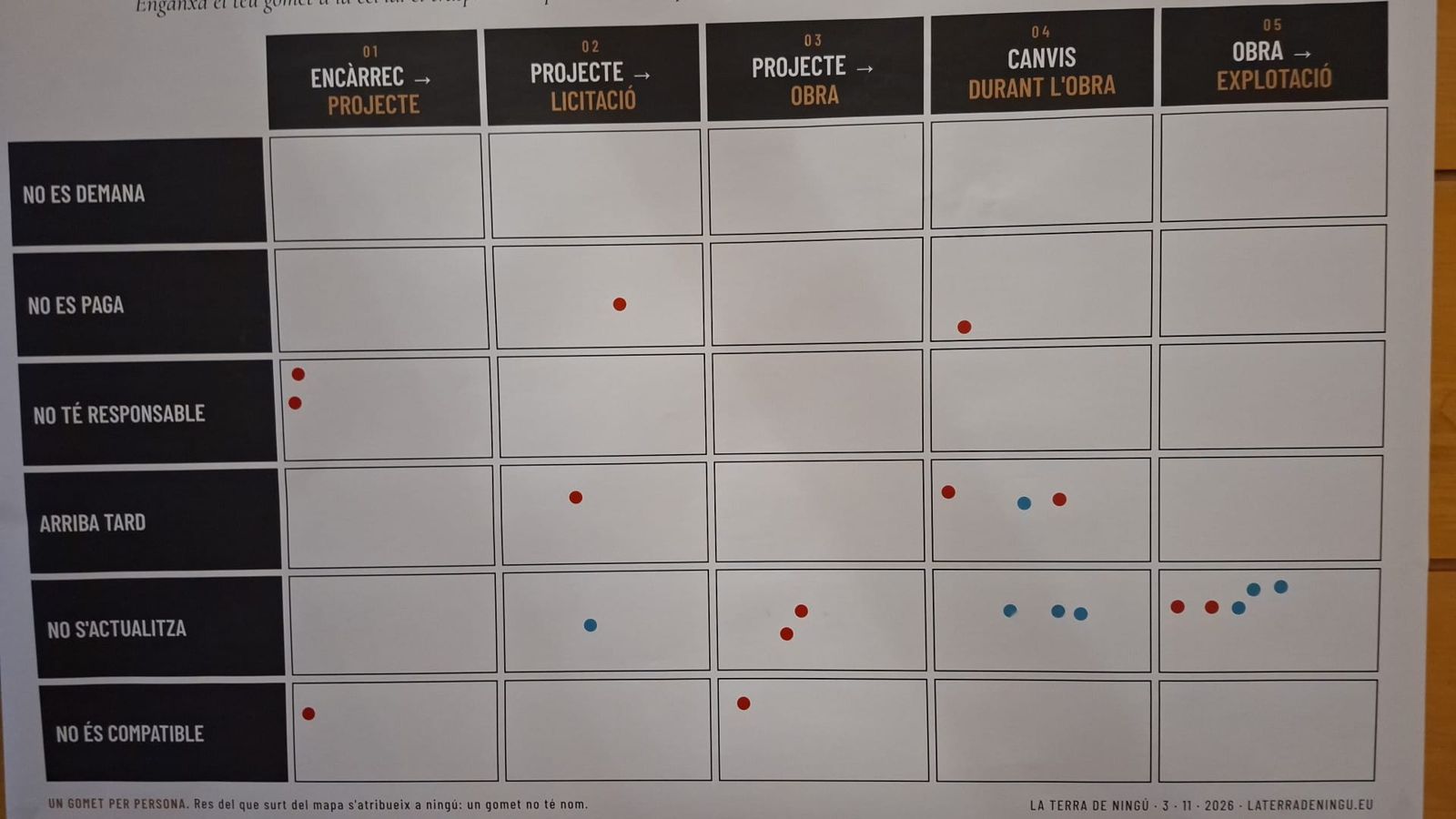
The Pain Map was open throughout the first part of the afternoon: each attendee stuck a dot on the project stage where information gets lost, from commissioning to operation, and on the type of failure: not requested, not paid for, no one responsible, arrives late, not updated or not compatible. No dot carries a name. The "not updated" row collected the most, especially for changes during construction and the handover to operation.
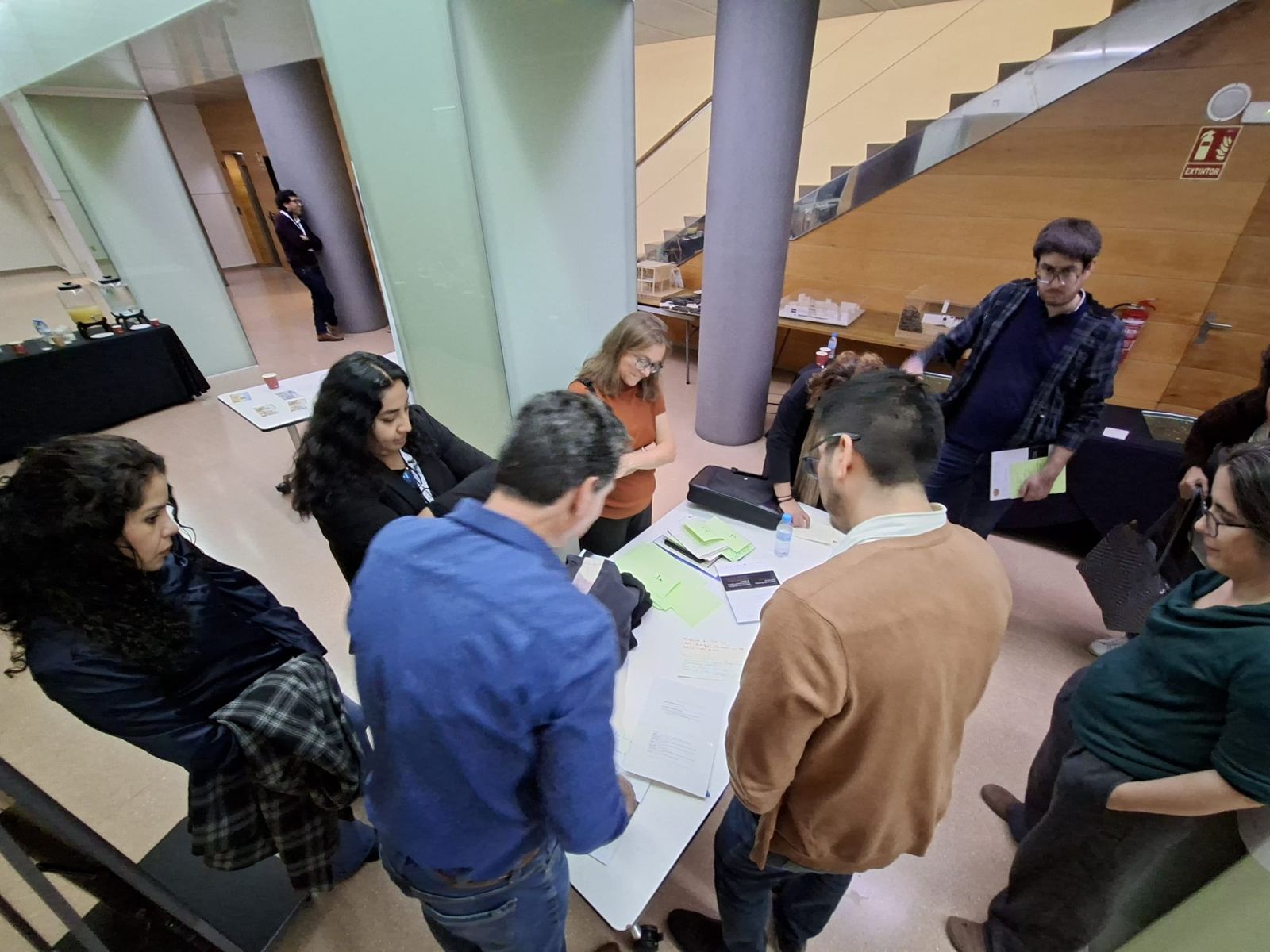
Then came the Challenge Tables: one real, anonymous problem per table, to work out why it happens and what line of work would solve it. The programme also included a Radical Speakers' Corner, which was ultimately cancelled.
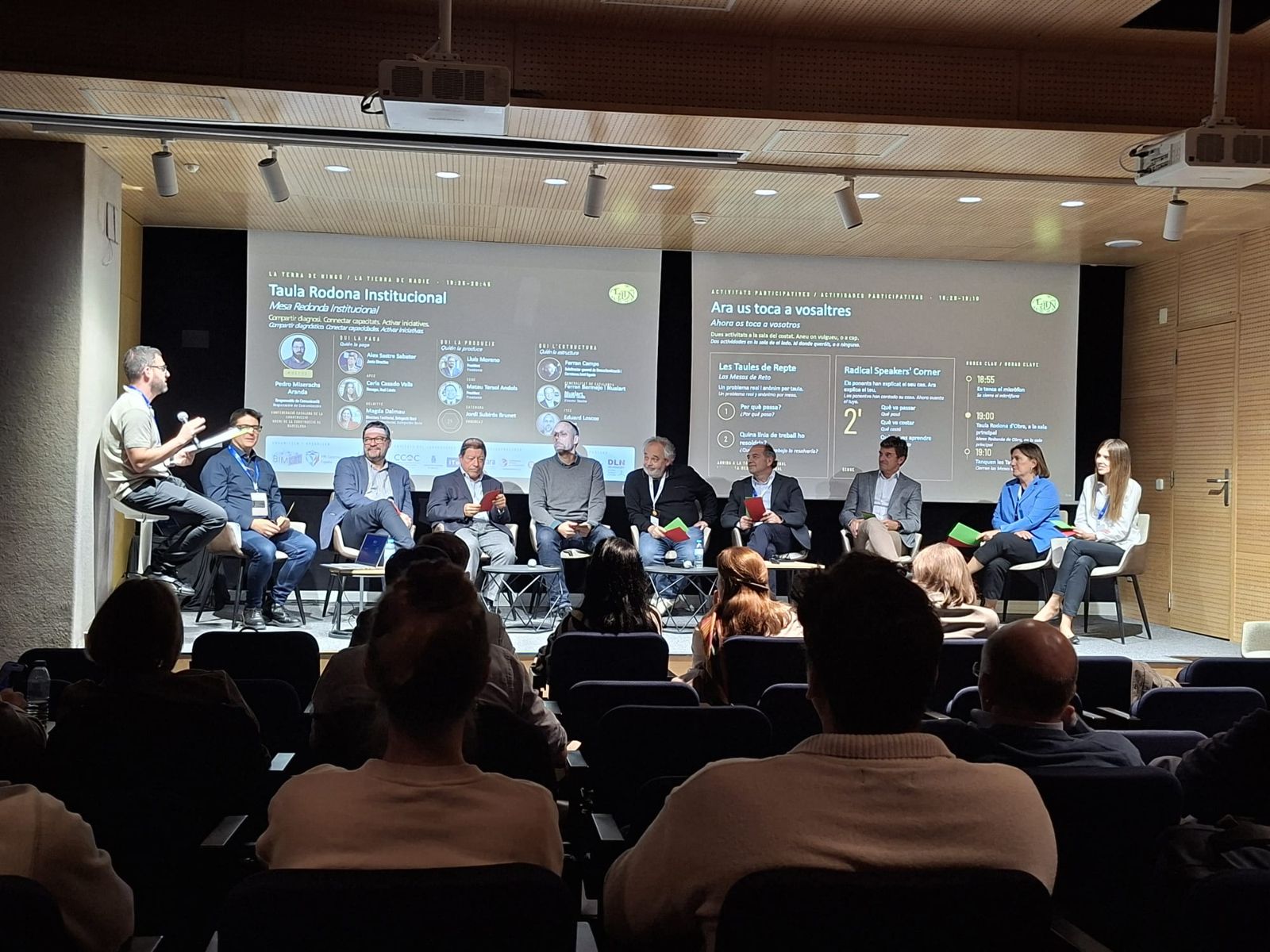
Institutional round table
The institutional round table was organised in three blocks, according to each stakeholder's role with regard to project information. GUBIMCat took part in the block of those who produce it, represented by Jordi Subirós, a member of the Coordinating Board.
APCE, Deloitte and Asefa.
CCOC, CATENARA and GUBIMCat.
Generalitat de Catalunya / CoBIMCat, ITeC and BDTA.
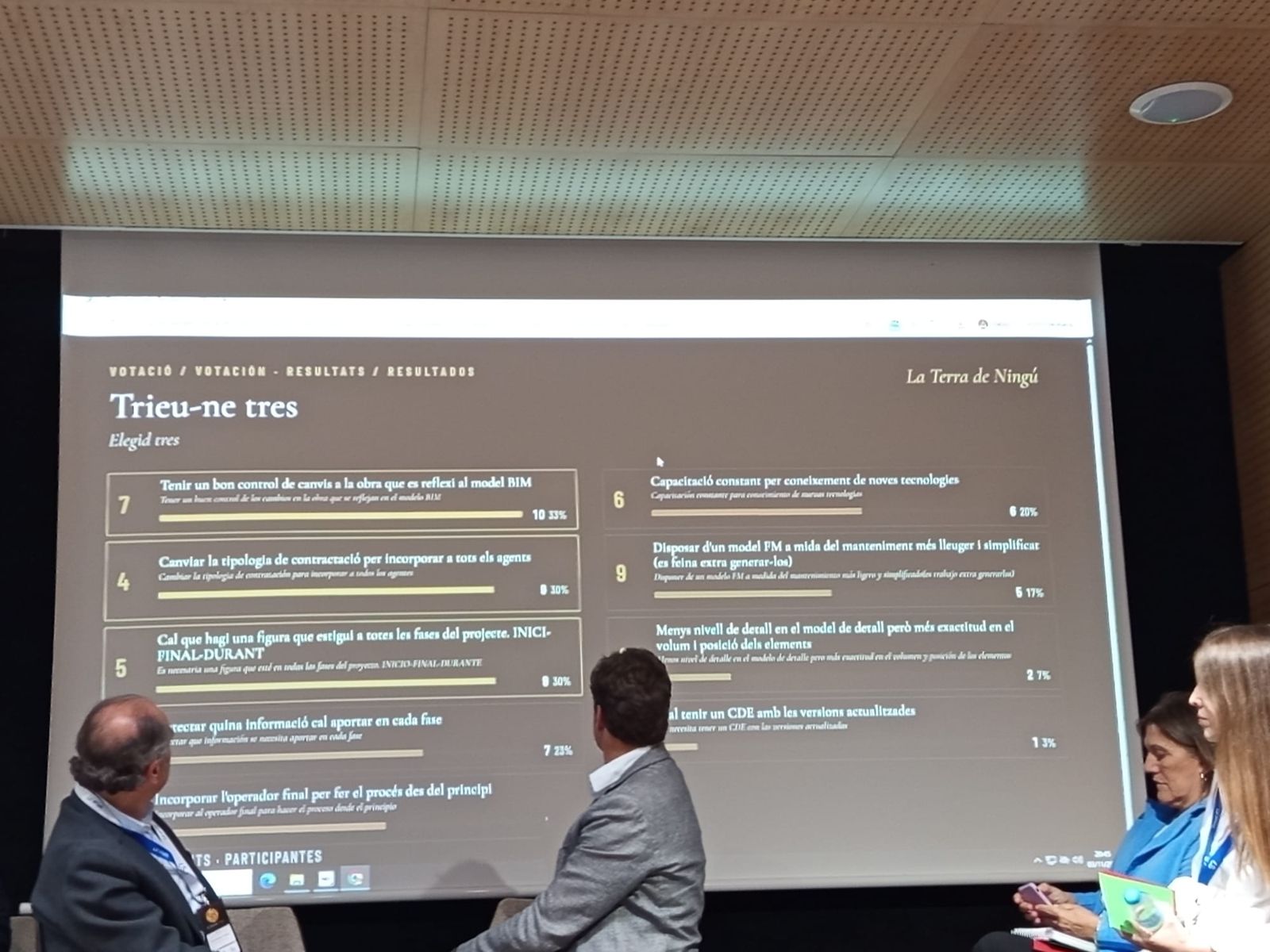
To close, the room voted on the lines of work that emerged during the afternoon: each participant chose three. Thirty people voted, and the three most-voted lines were keeping good control of changes on site, reflected in the BIM model (33%); changing the type of contract to bring all stakeholders on board (30%); and having one role present across every project phase, from start to finish (30%). The summary report will give the full reading.
Organisation
GUBIMCat, PMI Construcción España and La Salle's Master of Science in Project Management. For GUBIMCat, the organisation was led by Roger Beaumont, a member of the Coordinating Board.
APCE, CCOC, CATENARA, ITeC, Confederació Catalana de la Construcció and Gremi de Constructors d'Obres de Barcelona i Comarques.
CCIC.
DLN Delineació – Oficina Tècnica Externa (technology and registration) and La Salle's Master of Science in Project Management (stage and audiovisual crew).
Conclusions
The organising team will write a summary report covering the afternoon and each talk, the contributions from the Pain Map and the Challenge Tables, and the lines of work the room chose at the institutional round table. No contribution will be attributed by name. For GUBIMCat, the summary team includes Maria Elena Pla, Olga Méliz and Gonçal Costa, members of the Coordinating Board.
The report will be published at laterradeningu.eu and sent to registered attendees and participating organisations. The next edition will review how far these lines of work have progressed.
Want to take part in the next edition or get involved? Write to us.